
Romania: Europe's Most Exciting Destination Right Now
Romania: Where History Lives and a New Chapter Begins
There's a particular kind of travel destination that rewards the people who arrive early — before the guidebooks catch up, before the hotel rates climb, before the word spreads so widely that the thing that made it special gets diluted. Romania is that destination right now. Specifically, it's where a country with extraordinary cultural depth, dramatic landscapes, and a fiercely proud culinary identity is quietly assembling all the infrastructure required to become one of Europe's most talked-about journeys. The window to get there before everyone else does is open. It won't stay that way.
This isn't a country that needs to borrow its identity from somewhere else. Romania's history runs deep — layers of Saxon settlers, Ottoman influence, Habsburg architecture, and Communist-era scars that the country has spent three decades processing and transcending. What's emerging now is a place that knows exactly what it is, increasingly confident about showing it to the world.
Transylvania Beyond the Myth
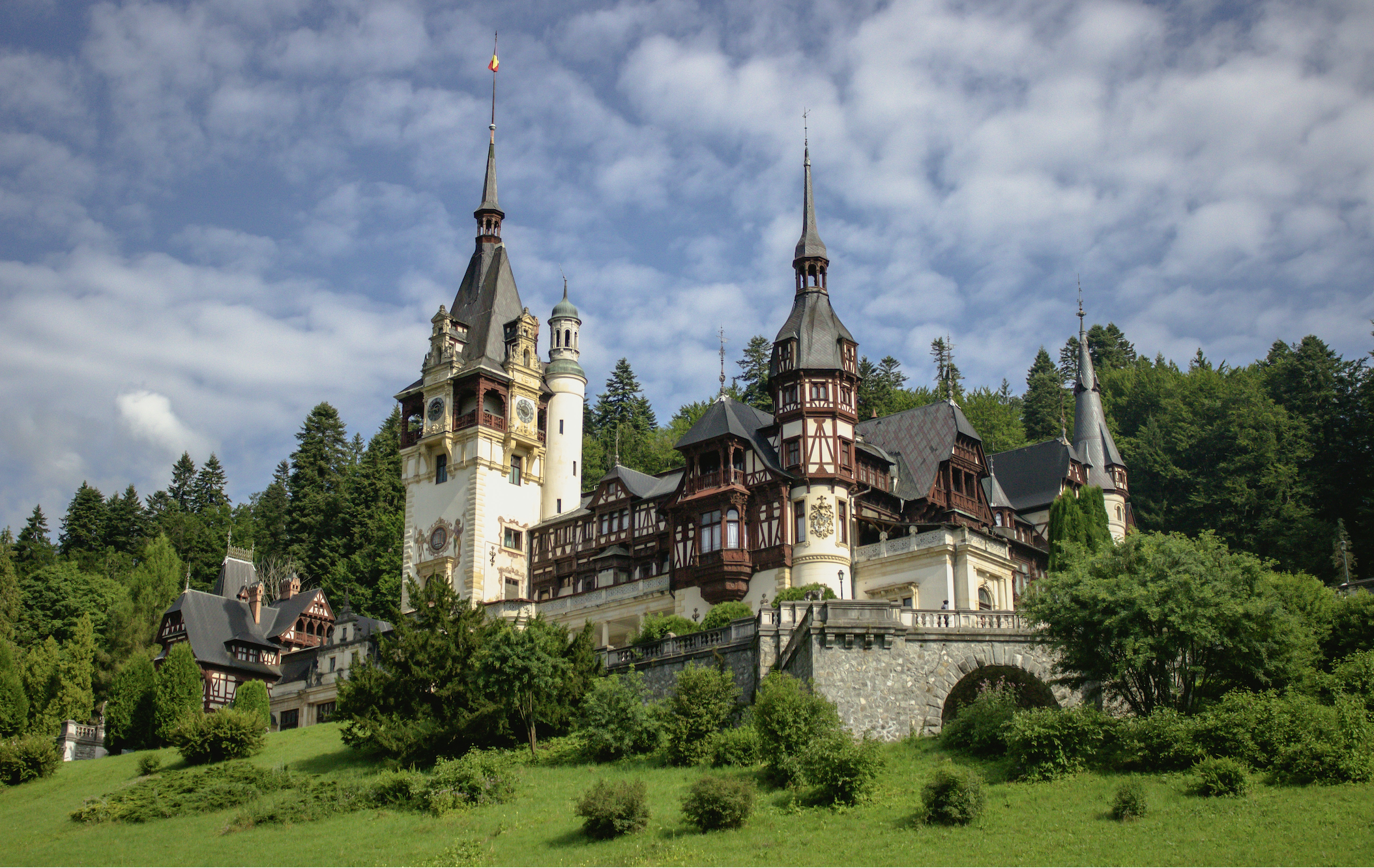
Most people's first association with Transylvania is the obvious one. Yes, Bran Castle exists, and yes, it's worth an hour of your time. But reducing Transylvania to a Gothic footnote is like visiting Burgundy only because you've heard of Beaujolais. The region's real story is written in its villages — medieval Saxon settlements that have barely changed in five centuries, strung across a landscape of rolling hills and fortified churches that predate Columbus reaching the Americas.
The UNESCO-listed village of Viscri is the one insiders have been whispering about for years. Prince Charles purchased a farmhouse here decades ago and spent years restoring it and advocating for the region's preservation — which tells you something about the caliber of person paying attention. Biertan, Sighișoara, Saschiz — these aren't reconstructed heritage sites dressed up for tourists. They're living places where the architecture, the food, and the rhythms of daily life feel like a direct line to another century.
The landscapes surrounding these villages deserve equal attention. The Carpathian Mountains frame the region with genuine drama, and roads like the Transfăgărășan — a high mountain pass that cuts across the Southern Carpathians — rank among Europe's most spectacular drives. This is a country where the scenery doesn't let you down.
Bucharest: The City That Surprised Everyone
For a long time, Bucharest was the destination people passed through on the way to somewhere else. That's no longer the case, and food is the reason. The culinary scene here has quietly become one of the most interesting in Eastern Europe, driven by a generation of chefs who are approaching Romanian ingredients and traditions with the same seriousness and creativity you'd find in Copenhagen or Lyon.
KAIAMO is the restaurant people are talking about — a tasting menu that changes daily, rooted entirely in Romanian produce and culinary memory, recognized by Gault & Millau and included in the 50 Best Discovery guide. NOUA takes a similar approach, with chef Alex Petricean building menus that read like a journey across Romania's distinct regions. This is not fusion for the sake of novelty. It's chefs doing the difficult work of understanding where they come from and translating that into something extraordinary on the plate.
Beyond the restaurants, Bucharest rewards wandering. The Old Town is genuinely atmospheric in a way that hasn't yet been sanded smooth by mass tourism. The city's Communist-era boulevards and ornate 19th-century architecture create a visual tension that tells Romania's complicated story more effectively than any museum exhibit could.
A Hotel Landscape in Transformation
The infrastructure argument for Romania is compelling on its own. Thirteen new five-star hotels are arriving by 2028, with Mondrian, Hyatt, Kempinski, and Corinthia all committed to the market. This level of international brand investment signals something: the industry is paying attention, and the timing for travelers is ideal — the quality is arriving while the crowds haven't.
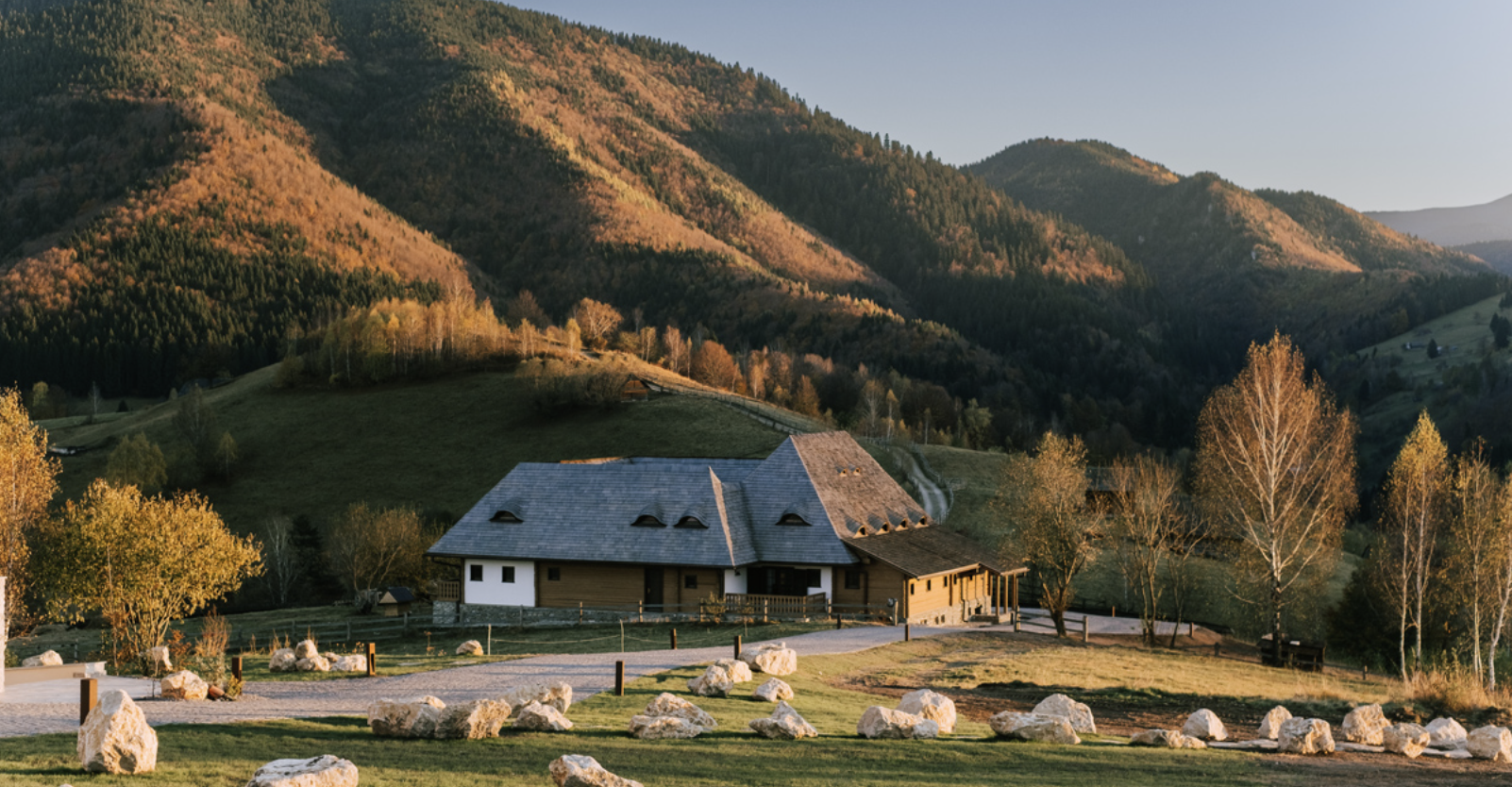
The Marmorosch Bucharest, an Autograph Collection property, is already raising the bar. Housed in a converted historic bank building in the Old Town, it combines 217 rooms with a speakeasy-style cocktail bar built inside the original vault. It's the kind of property that understands that a building's history is an asset, not an obstacle. In Transylvania, Matca offers something entirely different — a boutique mountain retreat with just 16 rooms and villas overlooking the Bucegi and Piatra Craiului Mountains, focused on Transylvanian cuisine sourced from the land immediately surrounding it. These are properties worth traveling for in their own right.
For the Active Traveler: Getting Ahead of the Curve
Romania has quietly become one of Europe's most compelling destinations for active travel, and here is where I'd point my Backroads clients who are ready for something smaller, more local, and a step further off the well-worn path. WireDonkey Cycling Holidays runs fully supported cycling tours through Transylvania and Hungary — small groups, handpicked routes, and local guides who have ridden these roads for years and know every farmhouse, every monastery, every unmarked viewpoint worth stopping for.
Their Saxon Heritage Trail threads through the same villages described above — Viscri, Biertan, the fortified church country — at exactly the right pace to absorb them. There's also an epic mountain pass route taking on both the Transfăgărășan and the Transalpina, for riders who want something genuinely demanding in return for genuinely extraordinary scenery. This is the kind of operation that the active travel industry will be talking about in five years. Right now, it's still a discovery.
Why Romania, Why Now
Romania offers something that's becoming increasingly difficult to find in European travel: genuine depth without the crowds, luxury infrastructure without the premium that comes with an established reputation, and a culture that hasn't yet adjusted itself to the preferences of international tourism. The food is its own, the landscapes are its own, the history is layered and complicated and fascinating in ways that make you want to stay longer.
The travelers who go now will return with the particular satisfaction of having been early — of having stood in Viscri before it was a feature in every major travel magazine, of having eaten at KAIAMO before the reservation waiting list stretched to months, of having cycled the Transylvanian countryside before the routes became crowded.
Romania isn't trying to be anywhere else. It's emphatically, unapologetically itself. And right now, that is exactly the point.
Reach out if you want to know more about planning a Romania journey — I'm actively researching itineraries and would love to talk through what a trip could look like for you.